
How to Recalibrate When the Wheels Start to Come Off
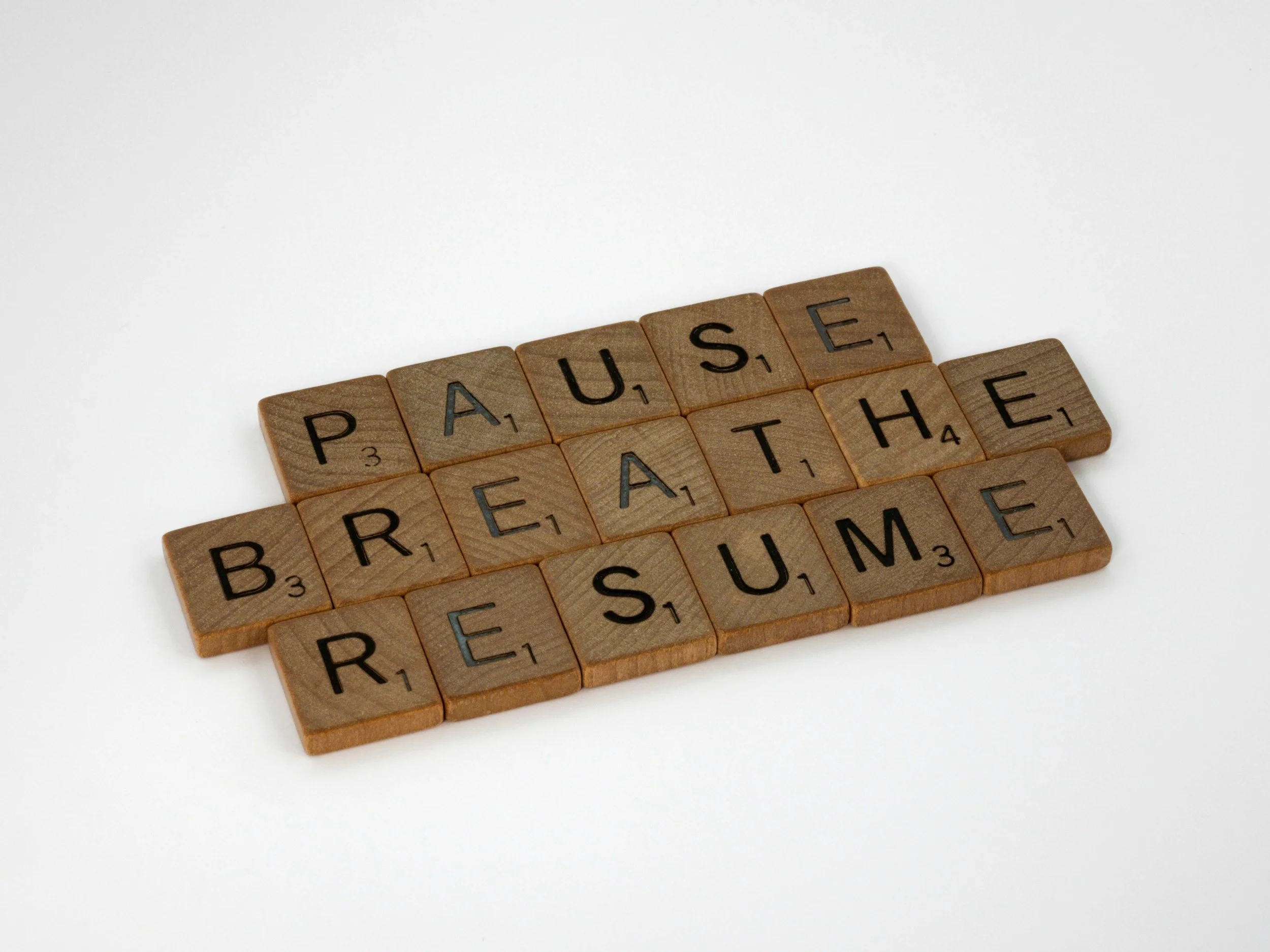
"Success is not final, failure is not fatal. it is the courage to continue that counts." – Winston Churchill
By the end of January, many faculty and leaders are quietly thinking the same thing: This is not how I planned the year to start. The focus may have slipped. The habit is now broken. The main thing got buried under unexpected demands. And just like that, it feels you’re not just off track but in the ditch.
The truth that strong leaders understand and other learn the hard way: derailment is not the opposite of progress. It is part of it. What matters now is not how clean your January was but how skillfully you respond when the wheels come off.
Here are three leadership moves that help you recalibrate, restart, and salvage the year without shame, panic, or starting over from scratch.
1. Stop the Spin: Diagnose Before You Accelerate
Key Idea: When things fall apart, most people try to catch up. Leaders pause to understand why they slipped before deciding what to do next.
Try This:
Ask three diagnostic questions: What specifically went off track? What changed in my capacity, context, or constraints? What assumption did January make that reality corrected?
Separate execution failure from goal failure. Often, the goal was sound but the system wasn’t.
Resist the urge to overcorrect by adding more commitments.
Example:
A faculty member planned a consistent writing habit, but unanticipated accreditation demands consumed January. Instead of abandoning scholarship goals, they recognize the issue was timing and not priority.
2. String the Restart: Re-Enter at the Right Altitude
Key Idea: When you fall behind, restarting at full intensity is the fastest way to quit again. Effective leaders re-enter small, stable, and intentional. This is adaptive leadership in action. Adjusting to reality without giving up on your purpose.
Try This:
Reduce your “main thing” to the smallest viable action.
Ask: What is the easiest next step that re-establishes identity and momentum?
Commit to restarting, not catching up.
Example:
A department chair who fell behind on strategic planning does not attempt to rebuild the entire roadmap. Instead, they schedule a 30-minute weekly clarity block and restart with one priority conversation— restoring traction without overwhelm.
3. Reclaim the Narrative: Failure is Data, Not a Verdict
Key Idea: How you interpret disruption determines whether it becomes discouragement or direction. Strong leaders treat missteps as feedback loops and not character flaws.
Try This:
Replace “I failed” with “I learned something from this.”
Identify one insight January revealed about how you actually work—not how you wish you worked.
Reframe February as a recalibration month, not a recovery month.
Example:
A faculty team realizes their ambitious January rollout ignored onboarding time and change fatigue. They adjust expectations, improve communication, and relaunch with greater buy-in which strengthened outcomes rather than forcing compliance.
Final Thoughts:
Every meaningful year includes a reset point. The leaders who finish strong are not the ones who never stumble. They are the ones who know how to pause, recalibrate, and re-enter with intention. February can be about resilience, adjustment, and recommitment.
Next Steps to Reset with Purpose
Looking to bring clarity, direction, and momentum to your academic pharmacy performance? EduLead-Rx offers individualized leadership coaching and consulting to pharmacy faculty and leaders to navigate complexity, disruption, and real-world constraints to achieve what matters most.
#AcademicPharmacy, #PharmacyLeadership, #FacultyDevelopment, #EduLeadRx, #PharmacyEducation, #ProfessionalCoaching, #ExecutiveCoaching