

Execution Is Where Leadership Becomes Real!
You have a solid plan. Your priorities are written down. The goals sounded compelling in January yet progress feels uneven. The difference rarely comes down to motivation or talent. Most faculty and pharmacy leaders already possess both in abundance. The difference is execution.

The Hidden Lever of Leadership Effectiveness: Decision Discipline
Leadership is revealed in decisions. Deciding is demanding work requiring judgment, courage, and restraint at the same time. That is precisely why discipline matters. Structures reduces noise and clarity reduces hesitation. Decision discipline is about becoming more reliable to your mission, your team, and your own leadership standards.

Capacity Alignment: Why Overcommitment Is a Leadership Risk
When commitment exceed capacity, even the best systems collapse. Capacity alignment is not about doing less. It’s about doing what matters within realistic constraints.

How to Recalibrate When the Wheels Start to Come Off
Every meaningful year includes a reset point. The leaders who finish strong are not the ones who never stumble. They are the ones who know how to pause, recalibrate, and re-enter with intention. February can be about resilience, adjustment, and recommitment.

The Year You Want is Built by the Habits You Keep
January is the launchpad but habits are the engine that carry you through the year. Your next level is not build in a day, a week, or a resolution. It’s built in rhythm, repetition, and refinement.

Is Focus Your Leadership Superpower?
Keeping the “main thing” central doesn’t simplify your work— it strengthens your impact. January isn’t about doing more. It should be about doing what matters, with intention and discipline. When clarity meets focus, next-level results and momentum follow.
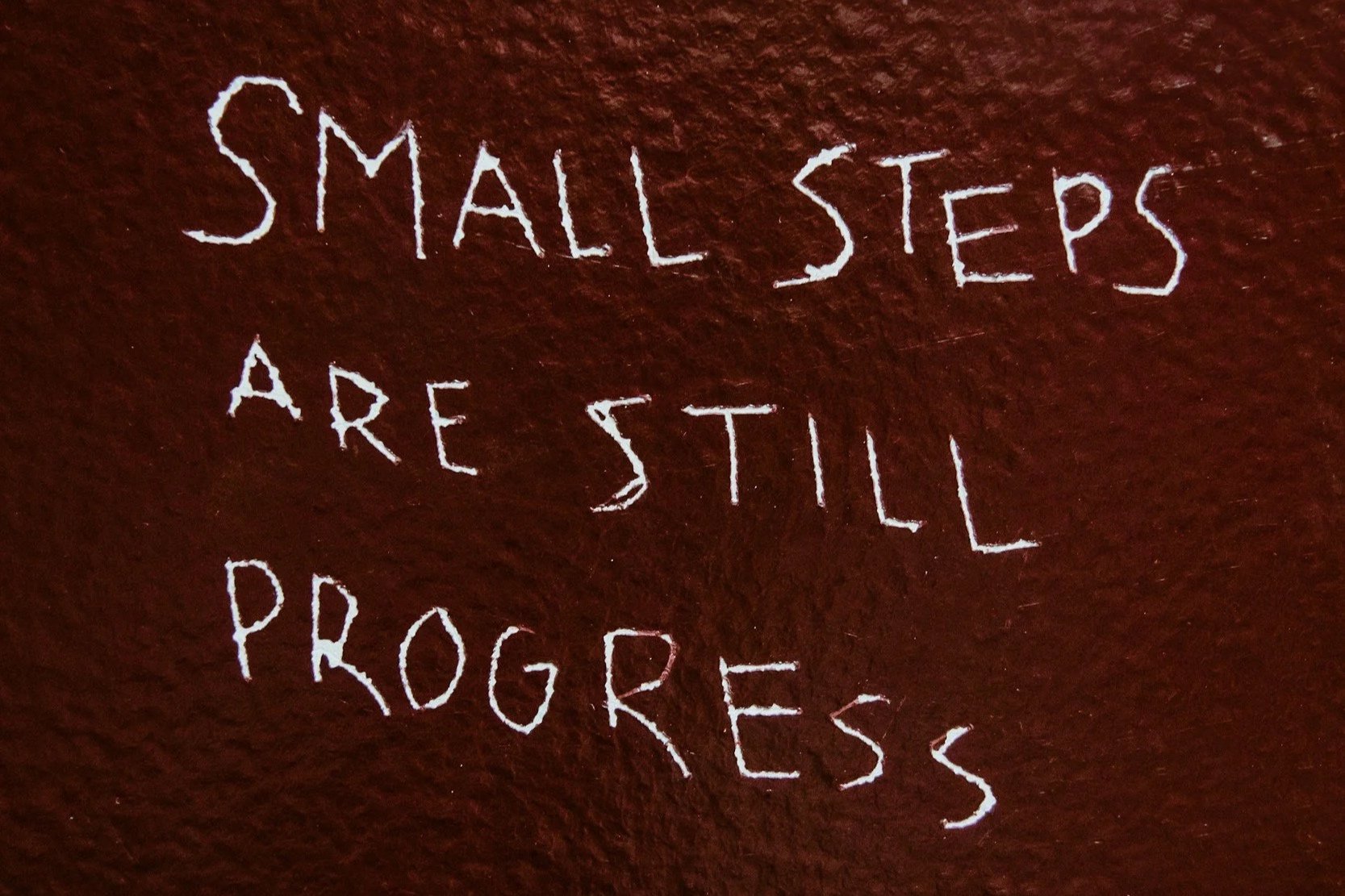
From Traction to Momentum: The Small Steps That Matter
Momentum isn’t magic. It is simple math: small steps x consistency = transformation. If you start in January with just a few micro-actions that matter, you won’t just move forward, you’ll accelerate.

January Goals Need February Traction!
We often stress the importance of goals referring to them as SMART. The real momentum comes by translating goals to actions. This New Year, focus on designing systems that make what matters most easier to sustain. Because sustainable success isn’t built on January wishes— it’s built on February habits and routines.

Your Next Act Can Be Your Best One!
Late-career isn’t a winding down. It’s a widening out. Clarity helps you see the possibilities. Direction helps you choose your path and readiness helps you step into it with confidence. You are not closing a chapter— you are opening the one only experience could prepare you to write.

This is Your Mid-Career Reset
Success in academic pharmacy isn’t defined by titles or timelines. It’s defined by alignment between your strengths, your values, and what the profession needs next. Mid-career is a launchpad— if you have clarity, direction, and readiness. Your next chapter begins when you stop managing expectations and start designing impact.

Early Career Shouldn’t be Accidental
Success in academic pharmacy isn’t defined by titles or timelines. It’s defined by alignment between your strengths, your values, and what the profession needs next.

Your Career Needs a Compass — Not a Calendar.
Success in academic pharmacy isn’t defined by titles or timelines. It’s defined by alignment between your strengths, your values, and what the profession needs next. Clarity tells you where you’re going. Direction tells you how you’ll get there. Readiness makes sure you’re prepared when the moment comes. As you close out the year, give yourself the space to design your next chapter.

Gratitude Wins. Every Time.
Gratitude is not a feel-good add-on. It’s a leadership discipline. It elevates engagement. It strengthens culture. It accelerates results. And in academic pharmacy—where people are the strategy—gratitude may be the most underutilized leadership tool we have. Because when leaders practice gratitude, people don’t just work harder. They work with heart.

Stop Checking Boxes — Start Creating Strategic Value That Lasts
Strategy without value is motion without meaning. Value without strategy is luck without leverage. When academic pharmacy leaders connect the two, they create focus, alignment, and momentum toward results that matter. Because success isn’t about doing more— it’s about doing what delivers the greatest contribution to people, purpose, and progress.

Knowing When It’s Time to Move On
Leaving well is also leading well. Recognizing misalignment early prevents burnout and bitterness later. When your purpose, energy, and growth are no longer supported, the most courageous act isn’t staying—it’s stepping forward.

Leading Through Crisis with Clarity
Crisis leadership isn’t about control—it’s about clarity. Those who prepare respond with calm and credibility. Those who reflect emerge wiser and more resilient. Because in academic pharmacy, true leadership isn’t defined by avoiding crises— it’s defined by transforming them into catalysts for growth, trust, and alignment.

Sharpen Your Risk Radar
In leadership— and in life— risk is constant. Risk isn’t a problem to avoid but a signal to interpret. Awareness leads to better choices and stronger positioning. Standing still is its own form of risk. Growth in academia requires scanning the horizon, not just managing the present. In fact, preparation beats reaction every time.

Shaping Culture: Turning the Invisible Into Intentional
Culture isn’t mysterious—it’s the everyday habits, signals, and stories that shape how people behave. If we want to change culture, we need to stop treating it as invisible and start treating it as intentional.

3 Tips for Harnessing Your Influence
Change in academic pharmacy isn’t about pushing harder—it’s about pulling the right levers of influence. By addressing motivation and ability, both personal and social, reinforced by structures, you create the conditions where better behaviors become second nature.

Small Habits, Big Results!
Faculty careers aren’t transformed by one big initiative—they’re built on the small, consistent habits that accumulate over years.